Problem statement
Current airway simulators do not accurately model the biomechanical forces of the human jaw, leading students to learn incorrect form and habits, creating a skill gap that shows up as patient harm once they transition into clinical work.
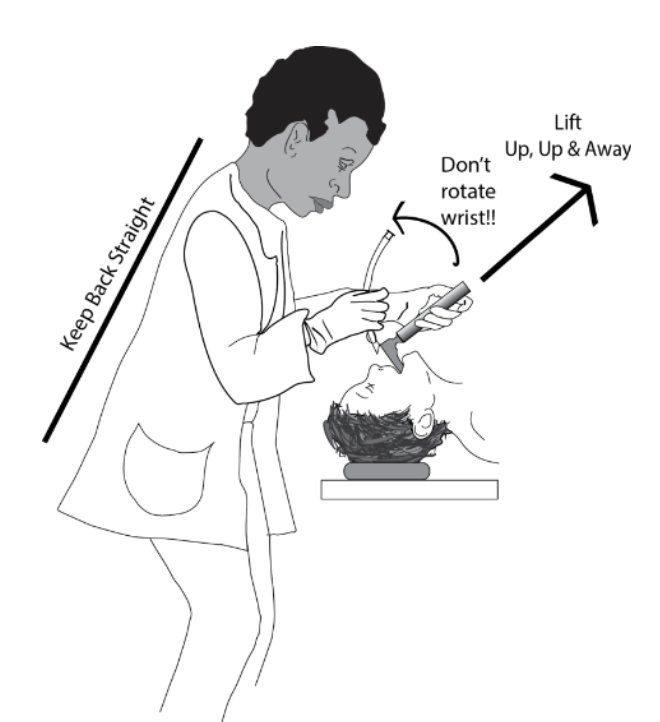
Existing training mannequins are unrealistically difficult to intubate because the jaw doesn't sublux and the materials are excessively rigid, forcing learners to apply excessive force and develop poor habits like tilting back the wrist instead of lifting up along the handle. Softer, more lifelike mannequins exist, but they wear out quickly. The result shows up clinically as frequent "tooth-click" events, contact that would represent real dental injury in a patient, and intubation is a genuinely high-stakes skill to under-train: a failed attempt raises the risk of major complications by 40–60%.
intubations to basic proficiency
~50–75
intubations to ~90% first-pass
~200
cost per difficult intubation
~$14K
annual US healthcare cost
~$6B